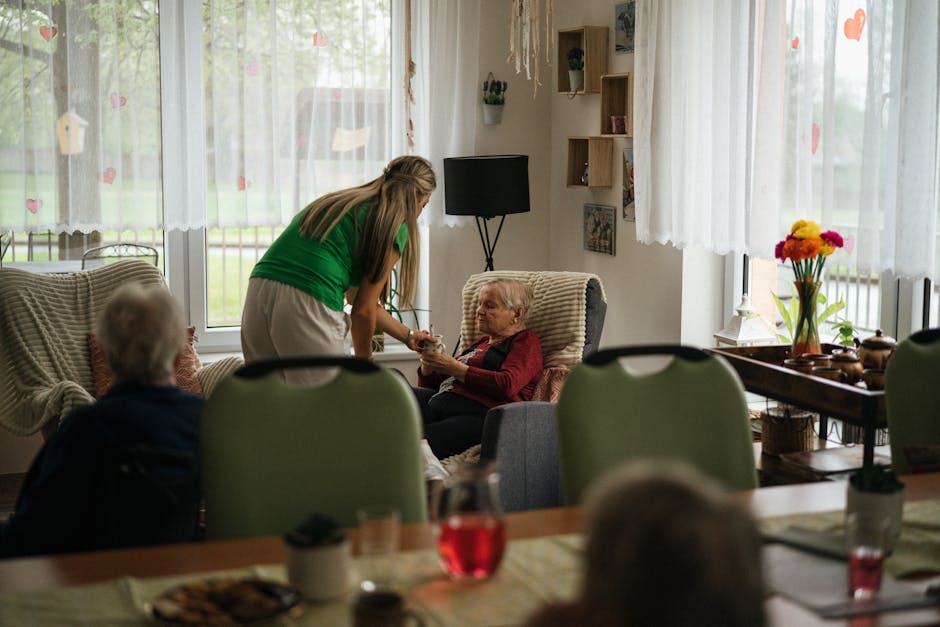
 What to Consider When Identifying a Private Assisted Living
When identifying a private assisted living facility, it is important to begin by considering the quality and range of care provided. The facility should offer services that match the individual’s physical, emotional, and daily living needs. Prospective residents and their families should determine whether staff can assist with bathing, dressing, meals, mobility, medication management, and other activities of daily living. It is also useful to ask whether care plans are individualized and regularly reviewed as needs change. A private assisted living facility should have appropriately trained caregivers who demonstrate patience, respect, and professionalism. Choosing a facility that can provide dependable support helps promote safety, dignity, comfort, and quality of life.
Another important consideration when identifying a private assisted living facility is its licensing, accreditation, and compliance with applicable regulations. Families should verify that the facility is legally authorized to operate and meets required health and safety standards. Information about inspections, violations, complaints, or corrective actions may also provide useful insight into the organization’s performance. The facility should maintain appropriate policies for emergencies, infection prevention, medication administration, resident rights, and protection from abuse or neglect. Prospective residents should not hesitate to ask administrators for documentation concerning licensing and regulatory compliance. A facility with a strong record of compliance demonstrates greater commitment to providing a safe and accountable living environment.
The quality and availability of staff should also influence the selection of a private assisted living facility. Families should ask about staffing levels during both daytime and nighttime hours because residents may require assistance at any time. High staff turnover can affect continuity of care and may indicate workplace or management concerns. During a visit, prospective residents should observe whether caregivers communicate respectfully with residents and respond promptly to requests for assistance. It is also important to determine whether staff receive ongoing education related to medication safety, dementia care, fall prevention, emergency procedures, and other relevant needs. Adequate staffing and competent caregivers can contribute significantly to consistent and responsive care.
The physical environment is another factor to consider when identifying a private assisted living facility. The building should be clean, comfortable, accessible, and appropriately maintained. Residents should have access to secure common areas, safe walking spaces, suitable dining facilities, and private or semi-private accommodations that meet their preferences. Features such as handrails, emergency call systems, adequate lighting, elevators, and accessible bathrooms can reduce safety risks. Families should also consider whether the facility has appropriate security measures without unnecessarily restricting residents’ independence. Visiting the facility in person can help families evaluate its atmosphere, cleanliness, accessibility, and overall suitability.
Cost and contract conditions are equally important when selecting a private assisted living facility. Families should obtain a detailed explanation of the monthly fee and determine which services are included in the basic price. Additional charges may apply for medication assistance, specialized care, transportation, meals, housekeeping, or increasing levels of support. Prospective residents should review admission agreements carefully and ask about deposits, refund policies, annual increases, discharge requirements, and circumstances that could result in additional costs. Comparing several facilities can make it easier to understand differences in pricing and services. A suitable facility should provide transparent financial information so families can make an informed and sustainable decision.
Finally, families should consider the facility’s activities, social environment, location, and overall compatibility with the resident’s preferences. Opportunities for exercise, recreation, social interaction, spiritual activities, hobbies, and community engagement can support emotional well-being and reduce isolation. The location should also be convenient enough for family members and friends to visit regularly, especially when ongoing involvement is important. Prospective residents should ask current residents or their families about their experiences when possible. Ultimately, identifying a private assisted living facility requires balancing quality of care, safety, staffing, environment, cost, and personal preferences. A thoughtful evaluation can help families select a setting that supports independence, dignity, security, and a meaningful quality of life.
