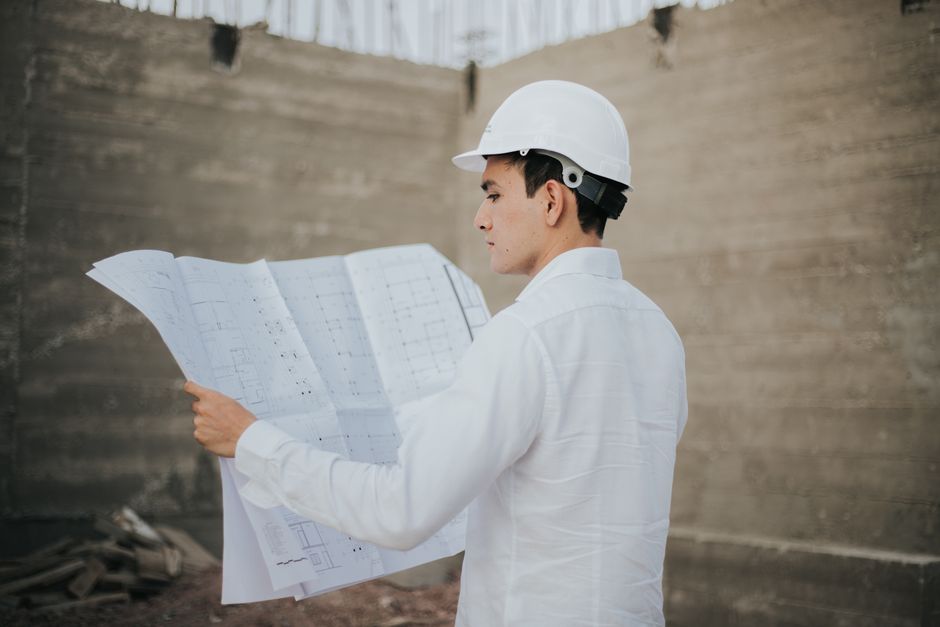
 Professional Engineering Consultants Delivering Innovative Technical Project Solutions
Engineering consultants play a vital role in the planning, design, and execution of projects across numerous industries. These professionals provide specialized technical expertise that helps businesses, governments, and organizations solve complex engineering challenges while ensuring efficiency, safety, and compliance with industry standards. From infrastructure development and manufacturing to environmental management and energy systems, engineering consultants contribute valuable knowledge that supports successful project outcomes and long-term operational performance.
One of the primary responsibilities of engineering consultants is to analyze project requirements and develop practical solutions tailored to specific needs. Every engineering project involves unique technical, financial, and operational considerations. Consultants assess factors such as site conditions, material requirements, environmental impact, regulatory compliance, and budget limitations before recommending appropriate strategies. Their ability to combine technical expertise with strategic planning helps clients make informed decisions throughout the project lifecycle.
Engineering consultants are involved in a wide variety of industries and disciplines. Civil engineering consultants may focus on roads, bridges, buildings, and water systems, while mechanical engineering consultants work with machinery, manufacturing processes, and industrial equipment. Electrical engineering consultants specialize in power systems, communication networks, and automation technologies. Environmental engineering consultants help organizations manage sustainability goals, pollution control, and regulatory compliance. This broad range of expertise allows engineering consultants to support projects of all sizes and complexities.
One of the key advantages of hiring engineering consultants is access to specialized knowledge and experience. Many projects require technical skills or industry insights that may not be available within an organization’s internal team. Consultants bring years of professional experience and familiarity with advanced engineering methods, technologies, and best practices. Their expertise helps identify potential challenges early in the planning process, reducing risks and preventing costly mistakes during project execution.
Project efficiency is another major benefit provided by engineering consultants. Large engineering projects often involve strict deadlines, multiple stakeholders, and detailed technical requirements. Consultants help streamline workflows by developing clear project plans, coordinating technical processes, and ensuring that work progresses according to schedule. Their involvement improves communication between teams and helps maintain focus on project goals, contributing to timely and cost-effective completion.
Safety and regulatory compliance are critical aspects of engineering consulting services. Engineering projects must meet strict local, national, and international standards to ensure structural integrity, environmental protection, and public safety. Consultants stay updated on changing regulations and industry guidelines, helping clients avoid legal complications and compliance violations. Through detailed assessments and inspections, they help ensure that designs, systems, and operations meet required safety standards.
Engineering consultants also contribute significantly to innovation and technological advancement. As industries evolve, businesses seek more efficient, sustainable, and technologically advanced solutions. Consultants help organizations adopt modern engineering practices, advanced software systems, automation technologies, and energy-efficient designs. By integrating innovative approaches into projects, they support improved productivity, reduced environmental impact, and long-term operational success.
Another important role of engineering consultants is risk management. Engineering projects often involve technical uncertainties, environmental concerns, and financial pressures that can affect outcomes if not addressed properly. Consultants conduct feasibility studies, structural analyses, and performance evaluations to identify potential risks before they become major problems. Their recommendations help clients minimize disruptions, reduce unexpected costs, and improve overall project reliability.
Modern engineering consulting increasingly relies on advanced digital tools and technologies. Computer-aided design software, 3D modeling, simulation systems, and data analysis platforms allow consultants to create accurate project designs and evaluate performance before construction or manufacturing begins. These technologies improve precision, enhance collaboration, and reduce the likelihood of errors, resulting in higher-quality project outcomes.
In conclusion, professional engineering consultants provide essential expertise that supports innovative, efficient, and reliable project development across multiple industries. Their technical knowledge, strategic planning abilities, and commitment to safety and compliance help organizations successfully navigate complex engineering challenges. By delivering customized solutions and embracing modern technologies, engineering consultants continue to play a critical role in shaping infrastructure, industry, and technological progress worldwide.
