 What You Need to Know Before Replacing Your Auto Glass
Replacing auto glass involves more than matching a price tag and a shade. The glass that covers your windshield, side windows and rear pane forms a key part of your vehicle’s safety system, contributes to structural strength, and supports modern driver assistance technology. Understanding how these elements work together helps you choose a replacement that protects you, your passengers and your car’s long?term performance.
The first decision you face is the type of glass that fits your vehicle. Manufacturers design laminated glass by bonding two layers of glass with a thin sheet of polyvinyl butyral. When an impact occurs, the layers stay together, preventing sharp shards from flying inside the cabin. Tempered glass, by contrast, undergoes a heating and cooling process that makes it break into small, blunt pieces that reduce the chance of serious cuts. Your car’s make and model usually dictate which material the factory installed, and matching that original specification preserves the safety characteristics engineered for your vehicle.
Beyond the basic material, many newer cars embed sensors and cameras directly into the windshield to power advanced driver assistance systems such as lane keep assist, forward collision warning and blind spot detection. Engineers integrate these components during the glass manufacturing stage, and installers must calibrate them after replacement to keep the systems accurate. Choosing a shop that understands ADAS calibration ensures that the technology continues to protect you the way it did before the glass was swapped.
The windshield also acts as a structural brace for the vehicle’s roof. In a rollover, a properly installed windshield helps keep the roof from collapsing by transferring forces across the cabin. This role means that a replacement pane must meet or exceed the original equipment manufacturer’s strength standards. When you select a new windshield, verify that it carries the same safety ratings and that the installer follows the correct bonding procedures to restore the roof’s integrity.
Modern glass technology adds comfort features that many drivers overlook. Some manufacturers apply a self healing coating that fills minor scratches when exposed to heat, keeping the view clear without a trip to the shop. Acoustic glass incorporates a special interlayer that dampens road noise, creating a quieter cabin that reduces driver fatigue on long trips. By opting for these advanced options, you enhance both safety and everyday driving enjoyment without sacrificing durability.
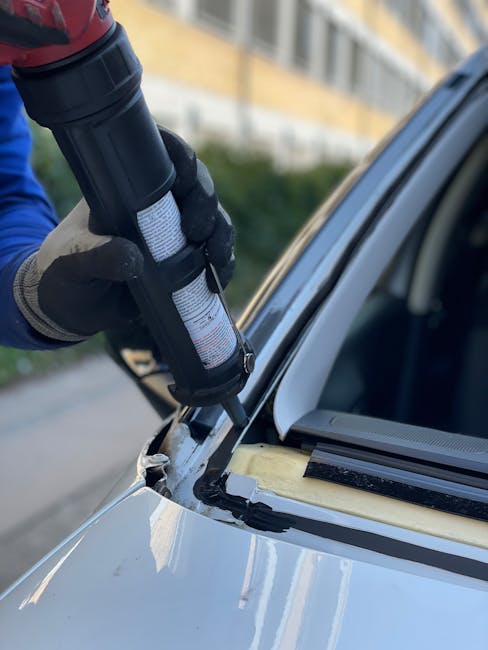
Installation quality determines whether all of these benefits translate to real?world performance. A technician who applies the adhesive evenly, removes old sealant completely and allows the proper curing time prevents leaks, wind noise and weakened structural bonds. After the glass is in place, follow the manufacturer’s guidance on waiting periods before driving at high speeds or exposing the pane to extreme temperatures. Regularly inspect the edges for signs of separation and address any chips promptly, because early repair preserves the glass’s strength and the effectiveness of any integrated sensors.
In summary, replacing auto glass calls for careful attention to material choice, technology integration, structural function, advanced comfort features and flawless installation. By treating each of these factors as part of a connected system, you ensure that the new glass not only restores the look of your vehicle but also reinforces the safety network that protects you on every journey. The effort you invest in selecting the right pane and installer pays off in a stronger, quieter and more technologically reliable ride.
